

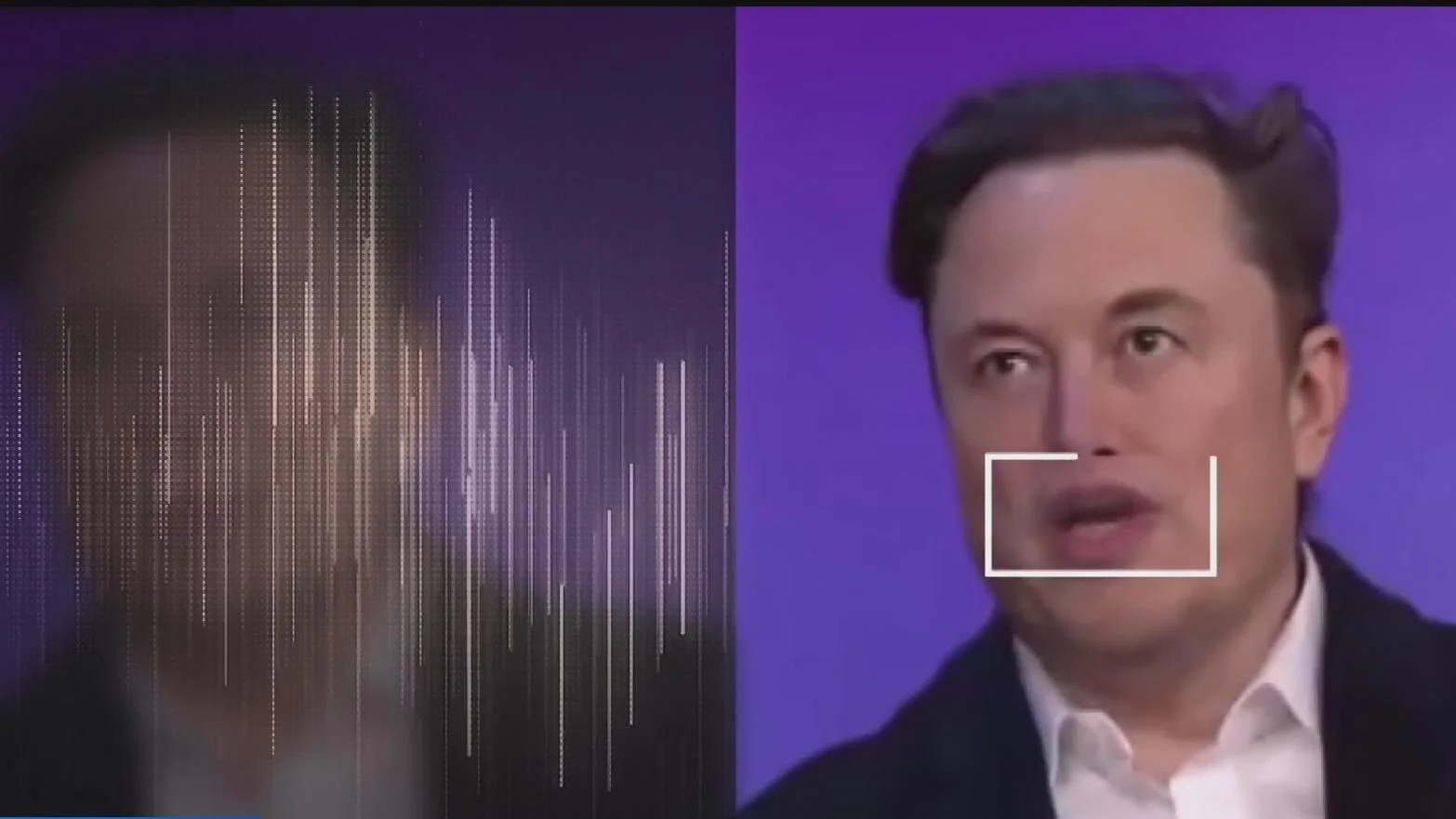
ASIC Warns AI Deepfakes And Fake Celebrity Endorsements Are…
The Australian Securities and Investments Commission has warned investors that pump-and-dump stock manipulation schemes are becoming increasingly sophisticated, with scammers using AI-generated deepfake videos, fake celebrity endorsements and impersonations of financial institutions to lure victims into buying shares.
In a warning issued on 17 July, ASIC said it has seen a sharp increase in reports of investment scams originating on social media before moving to private messaging platforms such as WhatsApp and Telegram, where victims are encouraged to purchase shares based on fraudulent stock recommendations.
The regulator said the scams often involve genuine publicly traded shares rather than fake investments, making them significantly harder for investors to recognise until the share price collapses.
AI Deepfakes And Fake Experts Drive New Wave Of Stock Manipulation
ASIC said scammers are increasingly exploiting the identities of well-known economists, financial commentators, investment professionals and financial institutions to establish credibility.
Social media advertisements commonly feature fake endorsements or AI-generated videos appearing to show respected finance personalities recommending investment opportunities. Once a potential victim clicks the advertisement, they are directed into a WhatsApp, Telegram or similar messaging group controlled by the scammers.
Inside those groups, criminals pose as investment experts or assistants while other members falsely claim to have earned substantial profits by following previous recommendations.
ASIC Chair Sarah Court said the scams are becoming more convincing.
“These scams are becoming increasingly sophisticated, and scammers are exploiting the trust Australians place in recognised experts, financial institutions and investment brands by faking their platforms and endorsements.”
She added:
“If you’re receiving stock tips through WhatsApp, Telegram or another messaging service, particularly after responding to a social media post, you should assume it’s a scam.”
How The Pump-And-Dump Scheme Works
ASIC identified a common pattern behind the schemes now targeting Australian investors.
Victims first encounter what appears to be an investment opportunity promoted through social media using the image or name of a recognised market commentator, economist or financial institution.
After joining a private messaging group, investors receive recommendations to buy specific shares, many of which trade on overseas exchanges.
Scammers encourage participants to post screenshots confirming their purchases while other members of the group, who are often part of the fraud, claim to have generated substantial profits by following earlier recommendations.
As more victims purchase the stock, the increased demand artificially pushes the share price higher.
Once prices have been inflated sufficiently, the fraudsters sell their own holdings into the buying pressure they created, causing the share price to collapse.
ASIC said one recent case saw a stock surge to almost US$11 before falling to approximately US$1 shortly afterwards, leaving investors holding shares worth only a fraction of what they had paid.
Victims Often Buy Genuine Shares
Unlike many investment scams where money is transferred directly to criminals, pump-and-dump schemes often involve legitimate brokerage accounts and genuine listed securities.
That distinction makes the fraud considerably more difficult to detect.
ASIC Commissioner Alan Kirkland said many victims initially believe their investments are legitimate because the shares appear inside their brokerage accounts.
“Many victims don’t realise they’re being scammed because they genuinely own the shares they’ve purchased.”
He continued:
“The loss occurs when the scammers sell out and the share price collapses. Investors are left holding shares worth a fraction of what they paid.”
Kirkland added:
“Just because you can see shares in your trading account doesn’t mean the investment recommendation was legitimate.”
Older Australians Increasingly Targeted
ASIC believes Australians approaching retirement have become a primary target for these scams.
The regulator suspects criminals deliberately focus on older investors because they are more likely to have accumulated retirement savings while actively searching for investment opportunities capable of generating higher returns.
Kirkland said scammers are increasingly combining social engineering with artificial intelligence technology.
“We suspect scammers are deliberately targeting Australians nearing retirement because they know many people in this age group have accumulated retirement savings and are looking for investment opportunities.”
He also warned:
“Scams are becoming more sophisticated and harder to spot, including the use of AI-generated deep-fake videos of well-known personalities.”
Investment Scams Cost Australians More Than A$837 Million
ASIC highlighted the scale of the problem by citing the National Anti-Scam Centre’s latest Targeting Scams Report.
According to the report, Australians lost A$2.18 billion to scams during 2025, with investment scams accounting for approximately A$837.7 million, making them the single largest category of financial loss.
The regulator said financial institutions also play an important role in identifying suspicious transaction patterns associated with market manipulation and investment fraud.
Sarah Court said banks and financial services providers are expected to remain vigilant.
“Australians expect their banks and financial service providers to remain vigilant to scam activity and take appropriate steps to help protect customers from harm.”
ASIC Continues Pursuing Criminal Charges
ASIC said it continues working alongside domestic and international regulators to identify the individuals responsible for pump-and-dump schemes and pursue criminal prosecutions where offenders can be identified.
The regulator pointed to a significant enforcement action concluded in late 2025, when four individuals were convicted and sentenced to prison after using Telegram groups to manipulate Australian share prices before selling their holdings at artificially inflated prices.
The latest warning reflects growing concern among regulators globally that artificial intelligence, deepfake technology and encrypted messaging platforms are making traditional market manipulation schemes easier to scale and more difficult for investors to detect before suffering substantial losses.