
‘Joker’ Producer Charged in Alleged $100…
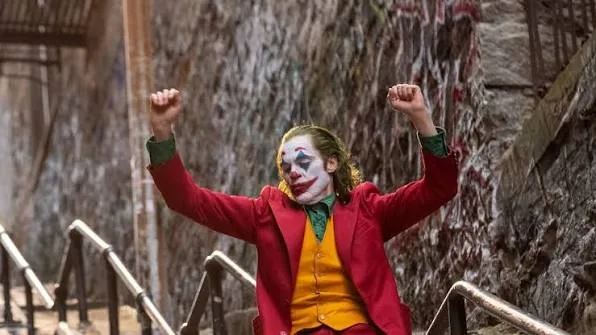
A Hollywood producer behind films including Joker and The Green Knight has been charged with operating what U.S. prosecutors describe as a $100 million investment fraud scheme that allegedly used film financing opportunities to attract investors before diverting the money for personal use and to repay earlier investors.
Federal prosecutors in the Northern District of Illinois unsealed an indictment charging Jason Cloth with seven counts of wire fraud. According to the indictment, Cloth allegedly solicited more than $100 million from investors between 2019 and 2026 by claiming the funds would finance motion pictures, a gaming entertainment investment platform and other media-related ventures. Instead, prosecutors allege the money was diverted to unrelated purposes, including the development of a real estate project in Canada and payments to earlier investors in a Ponzi-like scheme.
The case highlights the risks associated with private entertainment finance, an industry where investors often commit capital to individual productions or specialist investment vehicles with limited transparency compared with publicly traded securities.
Film Investments Allegedly Used To Raise More Than $100 Million
According to the indictment, Cloth obtained money from investors by representing that their capital would support legitimate entertainment projects with the prospect of future returns generated by successful productions and related ventures.
Prosecutors allege those representations were false.
Instead of investing the funds as promised, the indictment alleges that Cloth redirected substantial amounts toward personal expenses and a Canadian real estate development. Authorities also claim he used money from newer investors to satisfy obligations owed to earlier investors, a hallmark of an alleged Ponzi scheme.
The alleged fraud is said to have continued for approximately seven years, from 2019 until June 2026.
False Bankruptcy Claims Allegedly Used To Delay Investors
Prosecutors further allege that when investors attempted to recover their money, Cloth falsely claimed that their funds were inaccessible because a production company had entered bankruptcy.
According to the indictment, that explanation was untrue and formed part of a broader effort to conceal the alleged misuse of investor funds while encouraging confidence in the investment program.
Such tactics are commonly cited in investment fraud prosecutions, where operators allegedly provide external explanations for delayed repayments while continuing to solicit additional capital.
Criminal Charges Follow Earlier Civil Litigation
The criminal indictment comes after previous civil disputes involving Cloth’s investment activities.
In 2024, a Florida jury ordered him to pay approximately $19.6 million to an investor connected to The Pathway, a documentary series about the NBA draft, following allegations of fraud in a separate civil case. The criminal charges announced this week are separate from that litigation.
Authorities arrested Cloth in Los Angeles following the indictment’s unsealing in Chicago. Court records cited by multiple media outlets did not indicate whether he had retained legal counsel in the criminal case at the time of his initial court appearance.
Potential Penalties
Each of the seven wire fraud charges carries a maximum statutory sentence of 20 years in federal prison if a conviction is obtained, although any sentence would ultimately be determined by the court after considering the U.S. Sentencing Guidelines and other statutory factors.
Prosecutors are also seeking forfeiture of at least $12.25 million that they allege is connected to the scheme.
Private Investment Markets Continue To Draw Regulatory Scrutiny
The indictment reflects continued scrutiny of private investment markets, particularly sectors where assets are difficult to value and investment performance may take years to materialise.
Film financing has long attracted institutional investors, family offices and high-net-worth individuals seeking exposure to entertainment projects outside traditional equity and bond markets. While many productions are financed successfully through private capital, the sector’s bespoke structures and limited public disclosure can make investor due diligence more challenging than in regulated public markets.
The allegations against Cloth remain unproven. As with all criminal cases, the indictment contains allegations only, and he is presumed innocent unless and until proven guilty in court.