

The CFTC Just Proposed Rules for the Exchanges That Own…
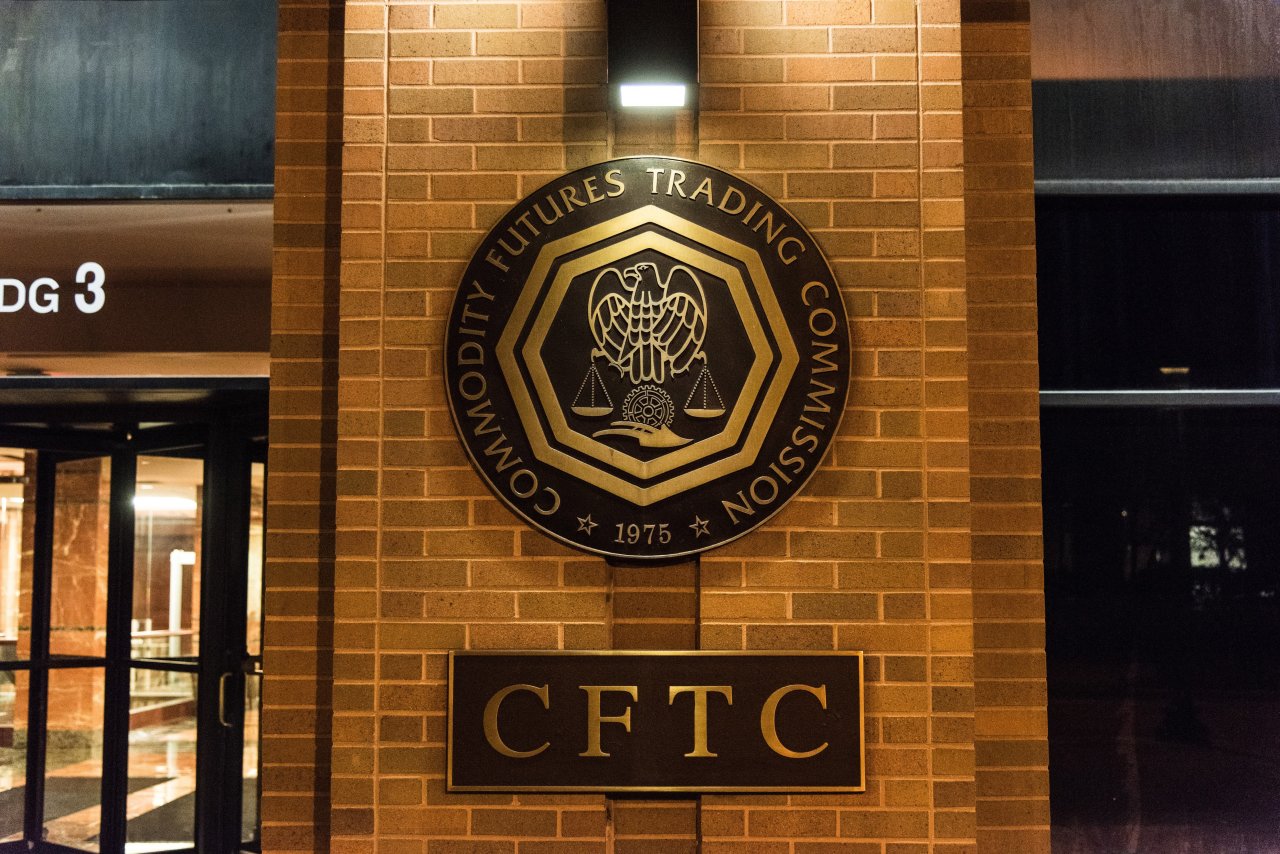
The Commodity Futures Trading Commission (CFTC) proposed rules on Thursday to address conflicts of interest among affiliated regulated entities, taking aim at the vertically integrated model in which a single corporate group owns the exchange, the clearing house and a market maker or dealer active on the same venue.
That structure is unremarkable in traditional derivatives, where it is tightly walled off, but it is standard in crypto, where the largest platforms were built to own the entire stack. The proposal is the CFTC deciding what the market-structure rulebook looks like for that model, and it lands while the CLARITY Act, the market-structure bill that would formalize the SEC and CFTC’s split over digital assets, is still stalled in the Senate. The agency is writing rules for the terrain the legislation has not yet mapped.
What the CFTC Proposal Actually Covers
The Notice of Proposed Rulemaking seeks comment on amendments to Parts 37, 38 and 39 of the CFTC’s regulations, covering swap execution facilities, designated contract markets and derivatives clearing organizations, along with Commission Regulations 1.52 and 1.55. In plain terms, it reaches every layer of the trading stack the agency oversees.
The specific mechanisms are where the proposal has teeth. The rulemaking would restrict an affiliated market maker’s access to the exchange’s non-public information, such as order flow, customer positions and upcoming rule changes; prohibit that affiliate from receiving preferential treatment on fees, matching priority or access; and require separation of personnel, technology and office space between the exchange and its affiliated trading arm.
One proposed provision, Regulation 38.852(b), particularly draws a hard line: a company could own a market maker on its own exchange, but not a proprietary trading firm on it.
The CFTC framed the move as enabling rather than restrictive. “By setting forth principles-based regulations for vertically integrated market structures, the CFTC is taking a significant step in our continued efforts to support responsible innovation,” Chairman Michael Selig said, describing the rules as “purpose-fit rules of the road” meant to bolster market integrity “without stifling novel market structures.” The proposal also introduces changes to how self-regulatory organizations oversee futures dealers financially, and requires fuller disclosure of affiliate relationships.
Why Vertical Integration Is the Conflict
The problem the rule targets is structural, not hypothetical. An exchange is responsible for policing its own market: enforcing trading rules, supervising for manipulation, and protecting customer funds. A clearing house manages risk and can exercise discretion over members. When the entity being policed, a market maker or dealer, belongs to the same corporate family as the entity doing the policing, the incentive to enforce impartially runs directly against the commercial interest of the group.
That is why traditional finance has long separated these functions. As the CFTC’s own commissioners have noted in prior years, the concern spans the whole stack: an exchange enforcing its rules against a related market maker and a clearing house whose risk oversight touches a related dealer.
The concern is not new. A CFTC commissioner, citing the Economic Report of the President, noted in a prior affiliations proceeding that combining exchange, brokerage, market-making and clearing functions “has long been prohibited in traditional markets and leads to risks to customers.” Thursday’s proposal is the first formal attempt to write that separation into the CFTC’s rulebook for the affiliated-entity era.
Investor Takeaway
The rule attacks an information and incentive problem: a venue that polices its own affiliated trader has both the data and the motive to favor it, which is what the separation requirements target.
Who Runs This Model, and How the Rule Lands
The proposal does not name companies, but the structure it describes maps directly onto the largest crypto venues. Coinbase, Kraken and Polymarket, the last through its acquisition of the CFTC-registered exchange QCEX, all operate some version of the integrated model, owning or affiliating the trading venue with other market-facing functions. For them, this is not an abstract rulemaking.
Coinbase in particular has already staked out its position, and it is the opposite of the CFTC’s instinct toward separation. In a November filing responding to the President’s Working Group, the company urged the agency to preserve vertical integration in digital-asset markets, arguing that all-in-one platforms offering trading, custody and settlement deliver efficiencies to customers and should be accommodated within existing rules rather than broken apart.
Thursday’s proposal signals the CFTC intends to permit the model but wall off its conflicts, a middle path between banning integration and leaving it unregulated. How far the final rule leans toward Coinbase’s efficiency argument or its commissioners’ separation concerns is the fight the comment period will decide.
The rulemaking also arrives amid a broader CFTC push on the same firms. In late July, the agency told Kalshi and Polymarket to stop filing contracts in bulk through mass self-certification, and separately the agency is defending its authority over sports-based event contracts against a challenge from 44 state attorneys general. The conflicts proposal is one more front in a coordinated effort to define the rules for these venues before Congress does.
The Comment Window and the CLARITY Overlap
The timing is the strategic point. Comments on the proposal will be due 60 days after the NPRM is published in the Federal Register, which had not yet occurred as of the announcement. The exact deadline will be set by the Federal Register notice itself once it posts, and the window is not yet open.
That clock runs alongside a legislative one. Coinbase has said it expects a Senate vote on the CLARITY Act as early as Monday, August 3. CLARITY would set the statutory division of authority between the SEC and CFTC over digital assets; this proposal fills in the conduct rules for CFTC-regulated venues regardless of how that split lands.
If the bill passes, the two efforts converge into a single framework. If it stalls again, the CFTC’s rulemaking becomes the main venue where crypto market structure actually gets defined. Either way, the agency has chosen not to wait, and the firms that built their businesses on owning the whole stack now have 60 days, once the clock starts, to argue for keeping it.
Investor Takeaway
The proposal and the CLARITY vote are on converging tracks, and whichever moves first shapes how the other is read, making the first week of August the period to watch.